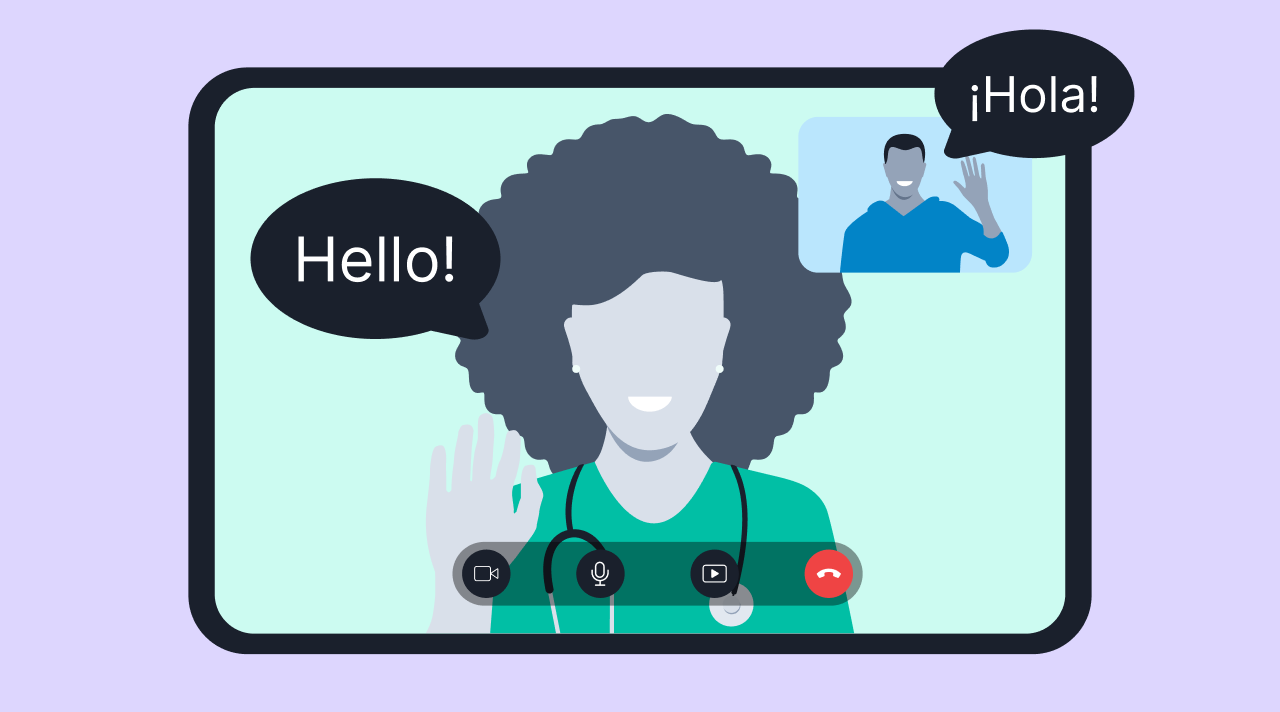
If an individual manages a medical practice that is digital or hybrid, language access is a requirement that is more than a contract for interpretation. The 2024 Section 1557 final rule is a document that the HHS Office for Civil Rights published on April 26, 2024. It is a rule that clarified the definition of “meaningful access” for patients who have limited English proficiency (LEP). It is also a rule that created a requirement for a Notice of Availability. For many small organizations, there is a deadline of July 5, 2025. For the first time, there is a focus on tools for AI and machine translation. According to Morgan Lewis, there is a risk that biased results from automated translation are a violation for an organization. For a practice that uses forms for intake, video calls and messages that are asynchronous, language access is a structural part of a platform. It is not a service that staff add at the conclusion of a process.
This text is a description of the requirements of the rule – it is an explanation of the areas where digital health systems are often insufficient. It is a guide for how a practice with 2 – 50 providers is able to remove those gaps.
The actual requirements of “meaningful access”
Section 1557 is a rule that is applicable to most health programs that receive financial help from the federal government. And the rule is clear that it is applicable to services that providers deliver through telehealth. The primary duty is that entities are responsible for taking steps that are reasonable to provide access that is meaningful to LEP individuals.
In a practical sense, there are multiple specific requirements. Per the HHS Office for Civil Rights, covered entities are responsible for language assistance that is precise, fast and available at no cost to the patient. It is a requirement that the entities use interpreters and translators who are qualified. Entities are not permitted to rely on staff members who lack training, family members or children who are minors. A “qualified” interpreter is a person who has skills that are proven – this person is an individual who knows medical words that are relevant and follows rules for privacy – this person is not just a receptionist who is bilingual and present.
The rule is a framework that allows for some choices by the entity. “Reasonable steps” is a concept that depends on the number of LEP patients that you treat, how often you have contact, the type of service and the assets that are available. As a result a small office for dermatology and a large group for behavioral health are in different situations – this variation is a feature of the rule.
The deadline and notice for small practices
There is one requirement that is a surprise for practices – it is the Notice of Availability for services for language assistance and auxiliary aids. It is a requirement that covered entities tell patients that assistance for language is free – this notice is necessary in English and in at least 15 languages that are most common among LEP individuals in that state.
The NACHC summary of the final rule states that many entities are subject to a deadline of July 5, 2025 for those notices. The notice is required on the website, in places where patients are present and in messages that are significant. For a practice that is virtual, “location” is often the portal for patients and the digital entrance. Because of this the obligation is a part of the platform. It is not a sign in a physical room. If the process for intake, the confirmations for appointments and the website are without this notice, there is a gap in compliance – this gap exists even if the contract for an interpreter is good.
Areas where digital care is insufficient for language access
Telehealth is a field where there are points of failure that do not exist in person. There are common examples
- Intake forms that are only in English. If a patient is in a video call with an interpreter but cannot read the forms for registration, consent or history, the access is broken.
- Async messaging in only one language. Chats that are secure, reminders for appointments and instructions for follow up are communications that are clinical. A reminder that a patient is unable to read is not access that is meaningful.
- Consent flows. If informed consent is only in English, there is a risk – this risk is related to Section 1557 and the legality of the consent.
- One-way messages. If a patient is unable to answer in their own language to reach a person, the system is only for appearance.
Those are situations that are common – they are the standard for many platforms that creators built for English first and changed later.
The risks of AI translation
The part of the 2024 rule that is new is the status of automated tools. Machine translation is a popular choice because it is fast and free – but the rule is a warning that the tools are a source of legal risk. They are not a simple solution.
In clinical or legal contexts where the meaning of a message has serious consequences, an organization is permitted to use automated translation only if a qualified human person reviews the text for accuracy. It is possible for raw machine output in a consent document or a medication guide to result in unfair treatment. Under the final rule, this outcome is a violation of Section 1557 and increases the level of risk for the organization. As a practical guideline, machine translation is a tool to help a qualified human but it is not a replacement for a human in clinical matters. For consent forms, medical diagnoses and patient instructions, a process where a human stays in the loop is the standard that an organization can defend.
Designing for language access, not patching it
The organizations that manage this requirement well treat support for multiple languages as a core feature of their digital platform – this support is part of the intake and communication process from the beginning. To achieve this organizations use specific methods
- Multilingual, configurable intake. There is a system for intake that is configurable and available in multiple languages. Medical history and screening forms are available in the specific languages that patients speak.
- Interpreter integration in the video visit. A qualified person can join the session – this person is either on staff or from a vendor, and joins without using a difficult three way telephone connection.
- Localized async messaging and reminders. A patient is able to read and reply in their own language. And there is a way for them to reach a human person.
- Human review of clinical translations. Tools route important content to qualified translators instead of publishing machine output automatically.
- The Notice of Availability surfaced in the digital flow. It is part of the website as well as the portal, rather than existing as a document that users do not open.
Many medical practices that examine their software find that comprehensive platforms are more effective than using a video tool and a separate phone line – those platforms have built in support for multiple languages and forms that a user can configure. As an example, white label telehealth platforms with multilingual intake are able to show branded forms or messages in many languages on infrastructure that is dedicated to a single tenant – this setup is a way to keep sensitive patient data separate while making the patient experience the same across the system. Because the platform for Healee serves over one million patients across more than 200 clinics, its workflows for multiple languages are a primary feature.
A practical checklist for a 2 – 50 provider virtual practice
To find gaps in a system, a practice can use this list
- Are forms for intake, consent and history available in the primary languages of the patients?
- Is it possible for a qualified interpreter to join a video visit easily?
- Are the reminders and messages localized so that patients are able to reply to a human?
- Is machine translation kept away from clinical and legal content unless a qualified human reviews the text?
- On the website and patient portal, is the Notice of Availability visible in English and other required languages?
- Is there a document that contains the “reasonable steps” reasoning of the practice based on the patient population?
If an organization answers no to two or more questions, the lack of language access is a current compliance risk.
Frequently asked questions
Does Section 1557 apply to telehealth specifically?
It is applicable – in the 2024 final rule, the government is clear that the duty to provide language access and avoid discrimination applies to services that providers deliver through telehealth – this includes digital intake, messaging and video parts of a virtual visit.
Can I use Google Translate or built in auto-translation for patient communications?
And the answer is that there are limits – automated translation is a way to assist but a qualified human must review clinical or legal content for accuracy. If a practice relies on raw machine output for consent forms or medical instructions, it is possible to create a violation of Section 1557.
What is the Notice of Availability and where does it go?
It is a statement that informs patients that language assistance is available for free – this notice is in English but also at least the 15 most common languages for people with limited English proficiency in the state. To be compliant it must be on the website and in digital or physical locations where patients go. Due to the rule many entities must have this in place by July 5, 2025.
Who counts as a “qualified” interpreter?
This is a person who is proficient in the languages, understands medical terms, follows rules about privacy and is accurate. If a staff member is bilingual but has no training, they are generally not qualified. Family members as well as children are also not qualified for this role.
Next steps
In Section 1557, the requirements for language access are a function of how a platform operates and what policies a company follows. To lower the risk of non compliance, you should examine where your processes for intake, messaging and consent only use English. For those areas you should use workflows that support multiple languages and ensure that humans review any translations of clinical content. If you want to observe how a platform that is adjustable but also supports multiple languages manages the tasks from start to finish, you can request a demo.
Sources:
- Section 1557 Language Access (OCR Dear Colleague Letter) – HHS Office for Civil Rights, 2024
- Affordable Care Act Section 1557: New Language Accessibility Requirements – Morgan Lewis, Health Law Scan, 2025
- A Summary of the 2024 Final Rule on Section 1557 Nondiscrimination – NACHC, 2024