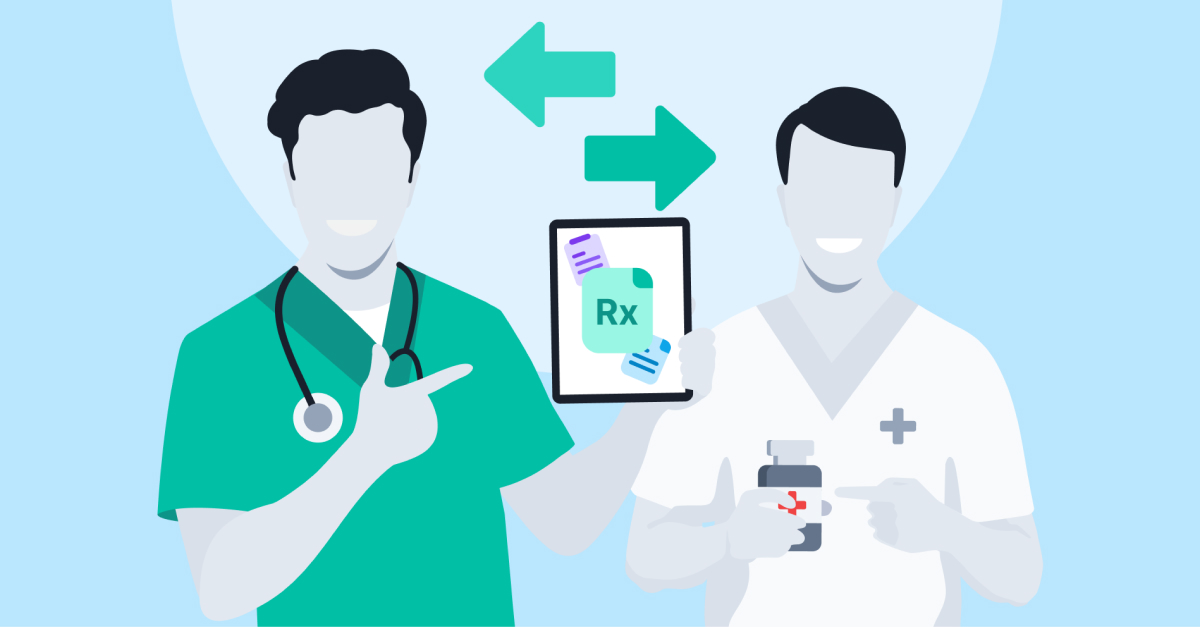
Giving out medicines is shifting to the web – remote pharmacy care, called telepharmacy, fixes a clear problem – many people cannot reach a pharmacist. Many doctors add video visits for illness but more states now pay for pharmacy advice given the same way. Ohio’s Medicaid plan will pay a single pharmacist for a video session – other states already do this.
A small clinic that treats long term illness can use this idea to help patients stay on their medicines and earn extra money and it does not need to hire a full time pharmacist. No slogan is required. A secure video link already used for doctor visits links the patient to a licensed pharmacist.
What telepharmacy means past a phone call to the corner drugstore
Telepharmacy is not a quick phone call to the shop on the corner. A licensed pharmacist uses video or a secure message system to give real care – check all medicines, teach how to stay on schedule, help with diabetes or high blood pressure, look for drug clashes plus explain what each pill does. Those jobs carry billing codes when done on approved platforms.
The line is clear – giving advice is separate from handing over pills. Remote care aims to make the patient’s drug plan work – right dose, right time, fewer side effects, no risky mixes. Ohio’s Medicaid plan pays for this advice when it is delivered on screen, because skill with medicines does not depend on counting tablets by hand.
A person who has diabetes, high blood pressure and heart trouble often swallows eight to twelve drugs a day. Each pill has its own clock and food rule. A video visit lets the pharmacist see the whole list, spot trouble but also tell the patient exactly what to change.
Why states now write the check – long drives and closed stores
State rules move slowly but they move when data show a gap – rural counties and poor city blocks keep losing pharmacies. Long drives as well as shuttered stores leave patients without guidance. Paying for video pharmacist visits is a cheap way to close that gap – states add the code to their Medicaid books.
Rural regions often no longer have a drugstore – people travel half an hour to an hour to collect medicines – they seldom speak with a pharmacist afterwards. Where a pharmacy still exists, short staffed shops lack time for detailed advice. A brief exchange at the till does not solve intricate drug routines.
Data link this shortage of help to measurable harm – incorrect or abandoned drug treatment wastes an estimated one hundred to three hundred billion dollars each year in avoidable admissions and complications. When people cannot reach a pharmacist, they skip doses, use the product wrongly or suffer side effects that need never occur.
Medicaid agencies see that paying for remote pharmacy advice costs far less than paying for emergency visits that follow drug mistakes or non adherence. The Manatt Health telehealth policy tracker records that eleven states passed laws in 2025 that widen licensing and payment rules for remote care, including pharmacy review. The approach is not a trial – it is simple economics.
Why small clinics adopt the service – income plus healthier patients
A small practice weighs one clear point – does remote pharmacy care raise quality enough to offset the extra work? The reply is now usually yes for clinics that treat long term illness.
Better control of drugs improves results for diabetes, high blood pressure, heart disease and lung disease, the illnesses most clinics see every day. Those people need frequent dose changes. A pharmacist who is reachable online allows quicker adjustment, steadier use of the drug and fewer crises. A clinic that looks after five hundred diabetics but also lifts adherence even slightly records lower A1C values and fewer admissions.
Remote pharmacy work also yields a payable service that demands little new equipment. Rather than employ a full time pharmacist at a salary of one hundred and twenty to one hundred as well as forty thousand dollars plus benefits, a clinic contracts a licensed pharmacist who works online. The practice bills for medication therapy management or for chronic care management that embeds pharmacy review.
Payment rates differ by insurer and state but medication therapy management usually brings fifty to one hundred and fifty dollars per session, depending on its depth. Chronic care management that folds in pharmacy advice can be billed at sixty to more than one hundred dollars per member each month. A small panel of twenty to thirty patients who receive routine remote pharmacy support yields fifteen to thirty five thousand dollars a year while lifting quality.
The way telepharmacy runs is more straightforward than most clinics assume. A pharmacist works from any location – they open the electronic record, review the patient’s medicines, hold a video call, record advice and send the result to the doctor. If the clinic already uses video visits for medical care, adding a pharmacy session means extending the current steps, not replacing hardware or software.
Technical requirements – the tools needed for remote pharmacy work
No one has to build a new system – the same components used for other telehealth services suffice – encrypted video, protected chat, calendar booking and note storage.
A white label telehealth system that already routes doctors, nurses plus therapists can also list pharmacists. It must give each role clear rights – a pharmacist views medicines and consultation notes but cannot always sign orders. The calendar must let patients book a pharmacy slot without booking a medical slot. The pharmacist and the prescriber must exchange messages without needing to be online at the same moment.
The platform needs
- Video calling for live drugs counselling
- Secure chat for later questions or dose checks
- A medicine list pulled from the EHR or typed in by staff
- Note templates built for pharmacy visits
- A calendar that labels pharmacy visits separately
- Billing codes for Medication Therapy Management and Chronic Care Management
Many clinics reuse the telehealth platform already in place – a single app lists every provider type – the patient signs in once but also selects either a medical visit or a pharmacy visit.
Rules differ by state but every patient’s pharmacist must hold a license for that state. A local clinic meets this easily – a national service tracks many licenses. Before starting, the clinic must check its own state rules, because some states set extra terms on oversight, technical specs or site classification.
How a white label platform coordinates doctors and pharmacists
The hard part is workflow – linking physician, pharmacist and patient. The platform handles the sequence so the clinic does not add pharmacy visits in isolation.
White-label systems built for teams that include multiple kinds of clinicians coordinate care – giving each role its own level of entry to the same chart and – supplying one place for messages. When a doctor sees that a patient needs a medication check, the doctor sends an internal request to the pharmacist who contracts with the practice. The pharmacist opens the chart, sets up a video visit, records advice and the advice returns to the doctor.
Systems that already run employer clinics or multi specialty offices already carry those steps. A platform that handles routine medical visits and mental health sessions, for example, already lets different kinds of clinicians open the same chart under the correct rights. Adding pharmacy visits fits without strain.
Picture a real case – a patient who has diabetes and takes four drugs has a video visit every three months. The doctor sees that the A1C is above target even though the patient states every dose is taken. Instead of writing a new script, the doctor sends the patient to the practice telepharmacist. The patient books a thirty minute slot inside the same system. The pharmacist checks the list, discovers that two drugs are swallowed at the same hour when they should be spaced two to three hours apart, teaches the patient and writes a note. The doctor reviews the note and signs off. Three months later the A1C falls even though no prescription changed – only the schedule of doses changed.
For this to work, one system must link booking, video, note writing and secure messages. A small clinic that wants to add remote pharmacy help will find it far simpler to adopt a platform that already allows many provider types than to stitch together separate tools.
Regulatory considerations – State-by-state telepharmacy rules
Each state writes its own rules for remote pharmacy work and the range is wide. States group into three tiers.
Highly permissive states impose almost no limits on remote medication reviews. A pharmacist may counsel a patient anywhere inside the state borders, with almost no rules about the site of practice. Those states treat a video session the same as a face-to-face pharmacy visit.
Moderately regulated states allow remote pharmacy work but add conditions – limits on how many sites one pharmacist supervises, required specifications for video or audio gear or lists of services that must still occur in person. Those states usually ask the pharmacy or clinic to file notice or obtain registration before the first remote session.
Restrictive states impose tight rules – they often demand a brick-and-mortar pharmacy site or ban some telehealth services. As proof that telepharmacy works accumulates, those states slowly drop some bans but every practice must still check the latest rules.
The National Association of Boards of Pharmacy publishes a state-by-state telepharmacy guide besides Manatt Health’s policy tracker lists new regulatory moves. A practice that works only inside one state follows an easy path – read that state’s rules and design the service to match them.
Serving patients across state lines adds difficulty – the pharmacist needs a license from every state where a patient is located, just as clinicians do for telehealth visits. A few regional compacts let pharmacists cross certain borders but fewer states take part than in the medical licensure compacts.
A small clinic that launches telepharmacy should first treat only in state patients – this keeps the legal steps simple. Once the service is stable and demand rises, the clinic can weigh patient numbers and licensing fees before entering another state.